

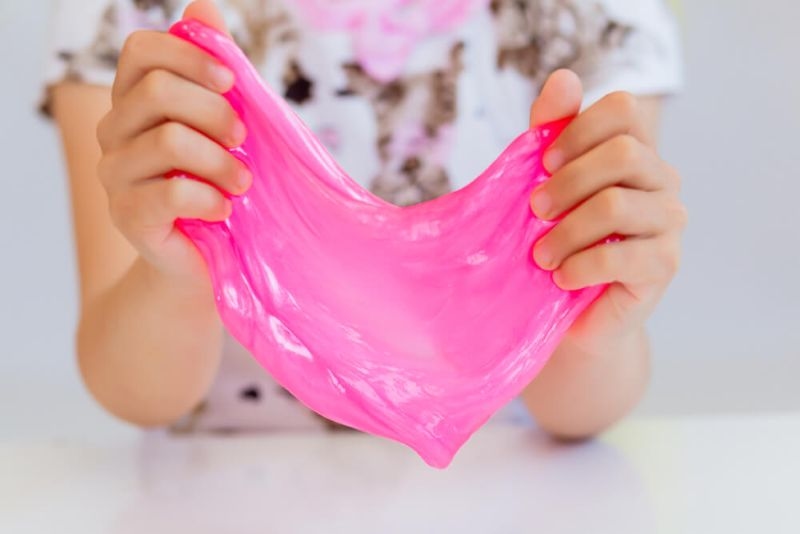
Learning how to make slime is a classic science activity that brings joy to any household. Many families look for ways to make slime at home using items already found in the kitchen or craft closet. Understanding the necessary Slime Ingredients is the first step toward a successful batch of stretchy, fun Slime. This process teaches basic chemistry through hands-on play and experimentation. Grab a bowl and get ready to transform simple liquids into a squishy solid. Following these steps ensures a perfect texture every single time.
The foundation of any good project starts with gathering the correct supplies. Most recipes rely on a chemical reaction between glue and an activator to create the desired stretch.
Having these Slime Ingredients ready prevents messes and keeps the process organized. Mixing them in the correct order is the secret to a smooth and non-sticky result for the children.
We’ve Covered This in Detail Here: Preschool for Kids Where Little Minds Shine Bright
Creating a fun toy from scratch is easier than most people think. It only takes a few minutes to stir everything together and watch the magic happen in the mixing bowl.
This method for making slime at home works well because it allows for total control over the consistency. Adding the saline solution a little bit at a time keeps the mixture from getting too hard.
When the glue and the activator meet, they form long molecular chains. This is what gives the substance its unique ability to act like both a liquid and a solid.
Mastering how to make slime is basically a mini chemistry lesson. It shows how different materials change state when combined under the right conditions during play.
Variations in the recipe also offer ways to experience new sensations. Adding various items from the house to the basic mix gives the end product a different feel.
The Slime Ingredients can be mixed in many ways to provide creativity. Each addition creates a unique sensory experience, keeping the craft activity fresh and interesting for everyone involved.
Safety is the most important part of any home project. Always make sure an adult is present to help with the measurements and to ensure no one eats the mixture.
By following these rules for making slime at home, the fun stays safe and manageable. Proper storage keeps the material from drying out, allowing it to be used for many days.
Sometimes the mixture does not turn out perfectly on the first try. Knowing how to fix a watery or stiff batch is part of the learning process for young scientists.
Adjusting the Slime Ingredients slightly can save a batch that seems ruined. Patience during the kneading phase usually solves most texture problems that occur during the initial mixing.
A Closer Look at This: How to Find Fun, Affordable Craft Ideas for Teens?
Choosing the right place to play prevents permanent stains on furniture or carpets. Hard surfaces are always better than soft ones when working with sticky materials like these.
Setting up a dedicated space for making slime speeds up cleanup. It ensures that the colorful goo stays exactly where it is supposed to be during the fun.
Once the batch is finished, there are many ways to play beyond just stretching it. Games can help children develop their fine motor skills while they enjoy their new creation.
Using the Slime Ingredients in creative ways keeps the kids engaged for hours. These simple games turn a basic craft into a full afternoon of active learning and entertainment.
Mixing colors is a great way to learn about the rainbow. Starting with primary colors and seeing what happens when they blend is a favorite part of the project for many.
Experimenting with Slime Ingredients, like food coloring or paint, is a visual delight. It allows children to customize their toys and express their own personal style through their creations.
Cleanup does not have to be a nightmare if it is handled correctly. Vinegar is a secret weapon for removing any bits that might have stuck to clothing or hair during play.
After the lesson on how to make slime, things can now return to normal. This ensures that parents are happy to let the children repeat the activity.
Expand Your Knowledge: How Can Parents Reduce Screen Time for Kids: Step-by-Step
Learning how to make slime is a fantastic way to spend an afternoon. By choosing the right Slime Ingredients and following the steps for making slime at home, success is guaranteed. Enjoy the stretchy results and keep experimenting with new textures and colors for endless fun.
The most reliable starting point involves basic white school glue and a saline-based activator. You will also need a small amount of baking soda to help the mixture firm up. These three components are safe to handle and very easy to find at most local grocery or craft stores for a low price.
The most effective way to remove dried or sticky residue is by using white vinegar. Simply soak the affected area with vinegar and let it sit for a few minutes before scrubbing with a brush. The acid in the vinegar breaks down the glue bonds, making it easy to wipe away with water.
While borax is a common activator, many people prefer saline solution because it is gentler on the skin. If you choose to use borax, always ensure it is fully dissolved in water first. Small children should always be supervised to ensure they do not touch their faces or mouths during the process.
The mixture usually gets hard because it has been exposed to too much air. This causes the moisture to evaporate, leaving the polymers stiff and brittle. To prevent this, always store your creation in a tightly sealed container or a plastic bag with all the air squeezed out after you finish playing.
This content was created by AI